
Hello! Nice to meet all of you! Welcome to our blog, How Unique Japan!
In this blog, I would love to introduce the culture of Japan, from traditional to modern (and sometimes pop culture)! If you want to learn about some features of Japan, please take a look around and follow this blog.
OK then, let us see why Japan is so unique.
The reason why Japan becomes unique (My perspective)

There are four reasons. First, the ocean surrounds Japan, making it a large island nation. This geographic feature has protected our country for a very long time (until the US arrived with their steamboats!).
As a result, we were able to preserve our unique culture without facing conquerors or constant attacks from other countries.
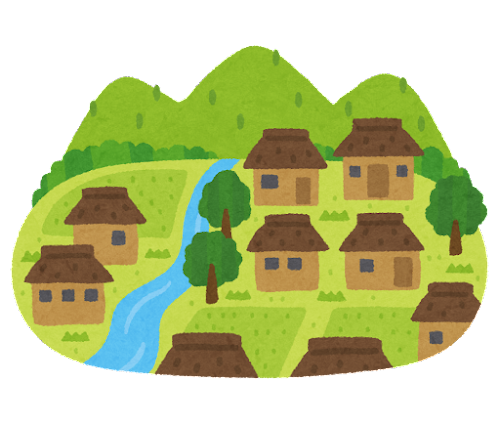
Second, it is also related to geography. The land was formed by significant volcanic activity. Thus, there are still many active volcanoes across Japan. (Surprisingly, even Mount Fuji is still an active volcano!)
Indeed, only about 30% of Japan is habitable because the country is covered with tall mountains, steep hills, and wide rivers.
Therefore, our Japanese ancestors settled in areas separated from neighboring villages. That is why each region developed individually, creating its own unique culture.
The third reason comes from history. We had a remarkable era when our ancestors created countless unique cultural elements. It is called the Edo period. As you might know, this era surprisingly lasted for over 250 years (from 1603 to 1868 AD). During this time, the capital city grew to a gigantic size in terms of population.
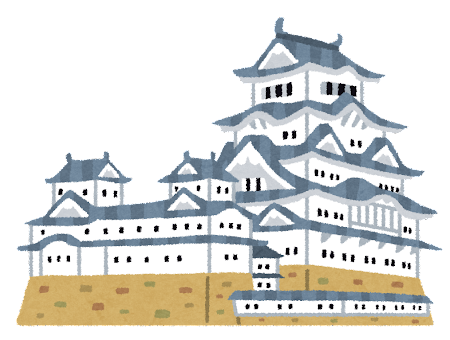
This peaceful era arrived after a long period of war. Thus, that time held immense significance for people back then, as they could finally enjoy their resources—including food, clothing, and homes—made possible by a prosperous, stable lifestyle.
(If you are interested in the Edo era, click here!)
The last reason is related to Japan’s diverse nature and distinct seasons. Flowers bloom in Spring, Summers are crazy hot and humid, colorful fallen leaves appear in Autumn, and snow falls in Winter. They decorate our country beautifully (and gorgeously).


We Japanese constantly draw inspiration from these rich seasons. This connection to nature also helped develop a uniquely Japanese character.
In our opinion, the trait most shaped by this environment is our sense of empathy.
But how does this empathy work for the Japanese?
How does the empathy sense work and create uniqueness?
How did empathy impact the Japanese and lead to the development of our remarkable culture?
To understand this, we must touch on one more detail related to the four seasons: Agriculture.
It is still a major industry in Japan and has been essential since ancient times because the changing seasons (and weather) make it possible to grow multiple types of vegetables crops.
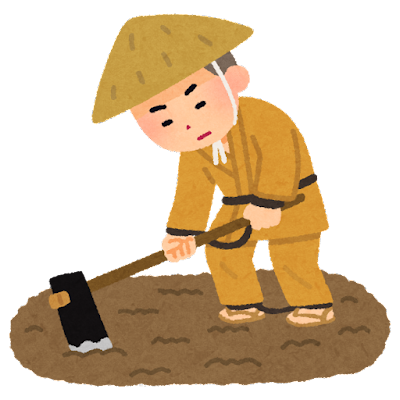
However, achieving a good harvest has always been a challenging task.
That is where sympathy and cooperation come in. People had to help each other and get through hard times together. This created a bond much deeper than simple community survival.
Because of this, villagers freely exchanged information without hesitation.
Indeed. Ancient Japanese people knew that mutual support reduced risks for everyone. Therefore, many unique cultural practices (and inventions) were born from sharing ideas.
This cooperative history is also a big reason why many Japanese are known for being kind and gentle today.
Coincidentally, this also explains why Japanese people readily observe foreign cultures and use those insights to create something uniquely our own.
Another cause gave birth to the creative sense
As mentioned, observing others is key. This action requires tolerance and an open mind, which makes the Japanese naturally curious about anything new.
However, there is one more factor that shaped this character: our unique perspective on religion. This belief system originated as nature worship. As time passed, it came to be known as Shintoism.

Long ago, before organized religion existed in Japan, ancient people practiced a natural form of worship centered around the forests and mountains. Indeed. They believed that every object in nature possessed its own spirit, including rivers and even stones.
We (the Japanese) believed that every object in nature possessed its own spirit, including rivers and even stones.
This explains why many Japanese people still culturally embrace the idea of the eight million gods surrounding us (known as Yaoyorozu no Kami).

Because of this inclusive mindset, many Japanese do not hesitate to absorb new ideas or even other religions.
By the way, there is also a fun piece of folklore. It says that if someone uses a man-made object for over a hundred years (with respect), it will gain a soul and come alive. (These are called Tsukumogami.)
This is why inanimate objects sometimes have funny faces in manga! We have a long history of animating soulless objects, which is perhaps one reason why we love anime so much today.
These elements form the foundation of Japanese uniqueness and character.
Now, let me explain the purpose of this blog.
Reason for this blog & categories
It is challenging to capture the unique aspects of Japan concisely, even though we intend to introduce many of them.
Thus, we categorized that uniqueness into catchy categories for my readers.
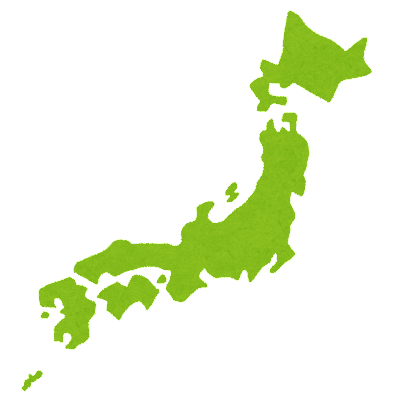
Please look down below.
There are many differences in the lifestyle of Japan. The polite way of greeting, eating with guests, and even the angle of bowing.
Not yet. There are some events (festivals/seasons) based on religion.
This category also features traditional amusements, such as Sumo Wrestling.
If you want to see some Japanese lifestyle, please click here!
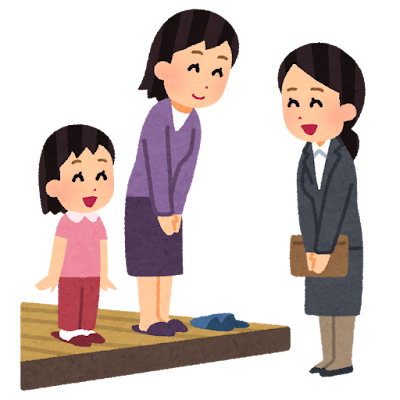
Nobody can ignore this era if they want to know about Japan, because many outstanding cultures emerged during that time.
Interestingly, some historians say that era was the Japanese Renaissance. Indeed, many subcultures, unique food, and inventions were born in this era.
But how did it create this era? And how did it work for citizens?
If you want to know more, please take a look here!!
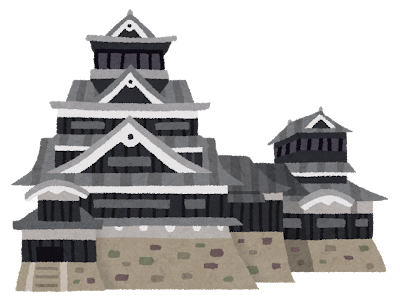
Japanese features also discovered unique food and menus.
For instance, the Japanese utilize power from nature, fermenting, drying, and pickling. It is like the bond between humans and nature.
What food or menus are there? Please check this section.
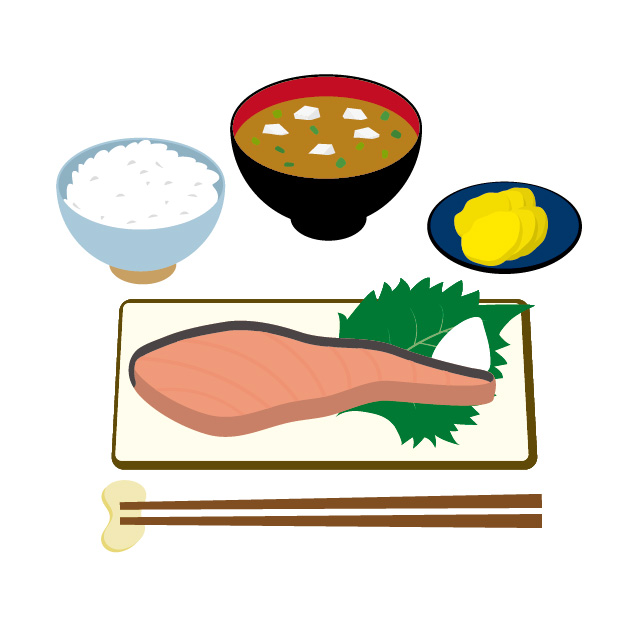
Surprisingly, some Japanese people often misunderstand the differences between Shintoism (shrines) and Buddhism (temples) because some of the lessons from each religion look similar.
Therefore, we would like to individualize each with features from them in this section.
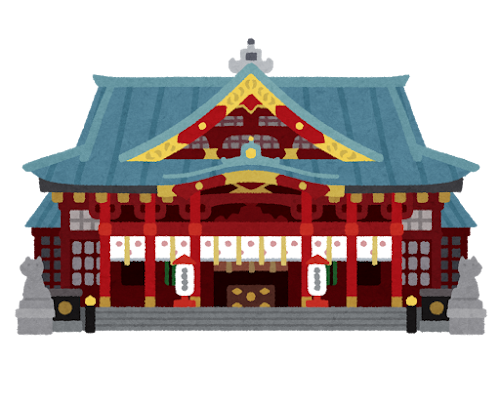
If you want to boost your knowledge about such a unique situation in an Eastern country, try reading about it!
To close (New announcement)
Here is the end of this front page! Thank you so much for reading this blog!
However, it is not yet. New articles and categories will be here on this page.
If you are interested, please follow this blog! And wait for a new one!
OK NOW! SEE YOU FOR THE NEXT UNIQUENESS!